Welcome to Australia’s evidence-based, practical, go-to resource on horse welfare and training.



HORSE HEALTH & WELFARE
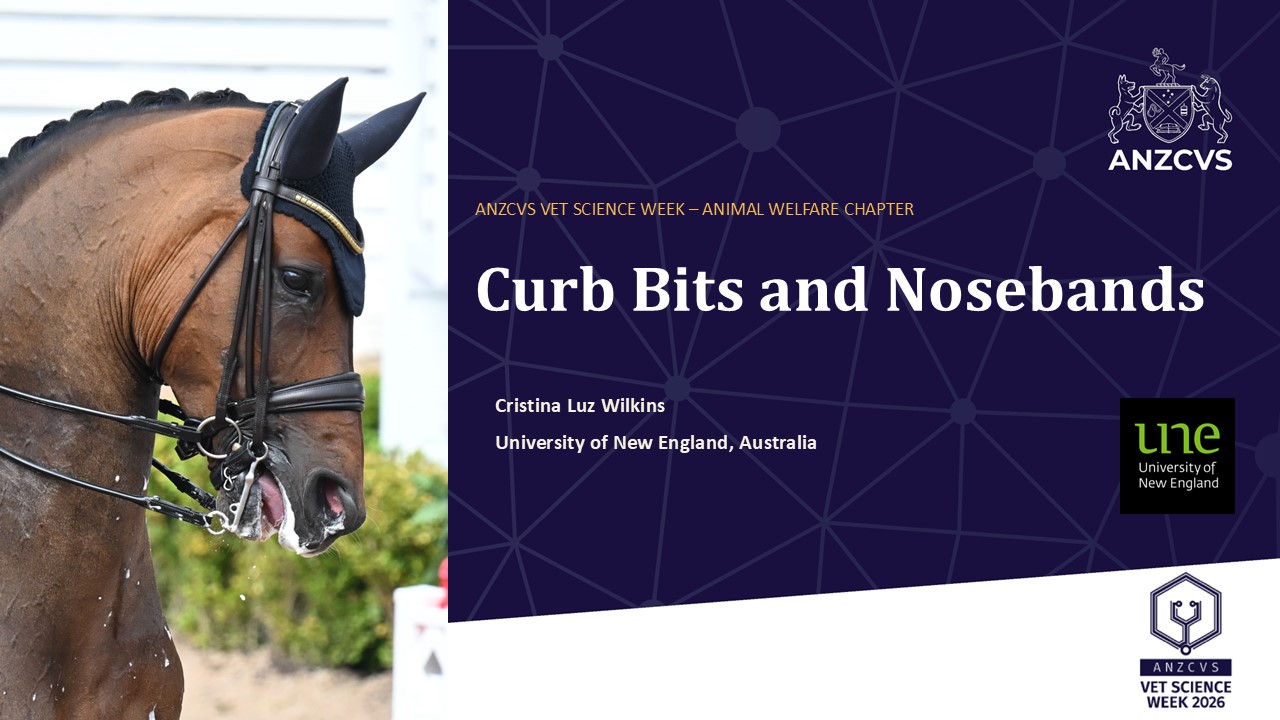
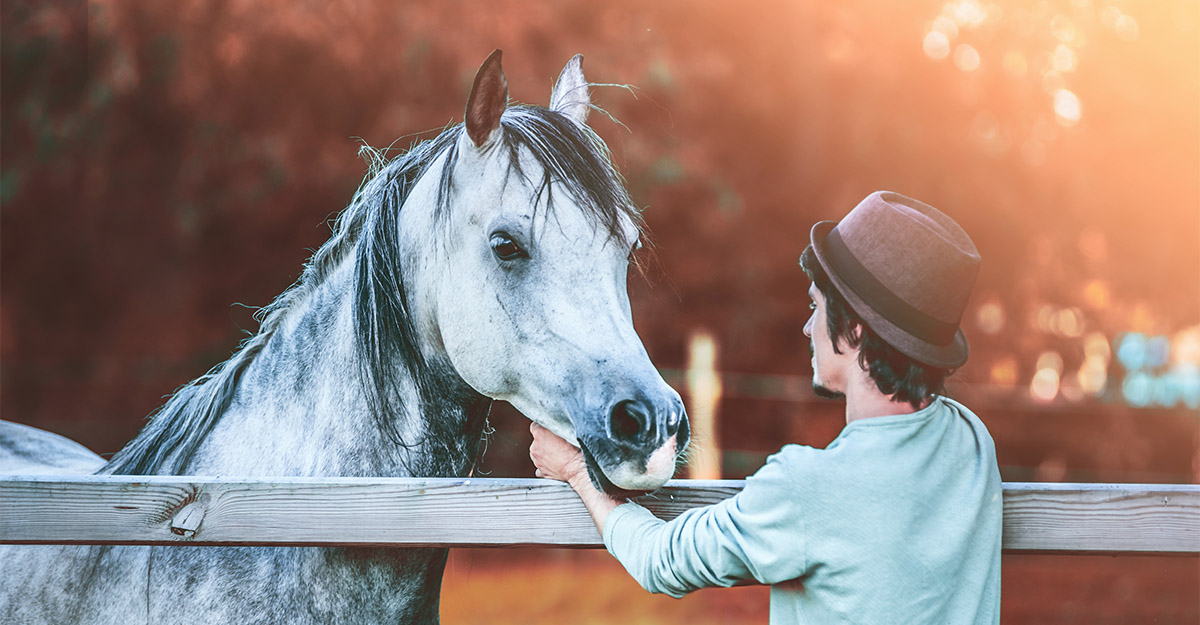
“Hiding in plain sight”: researcher tells veterinarians that bit and noseband pressures routinely exceed what equine tissues can tolerate
Every piece of equipment on a horse’s head is designed to apply pressure. Presenting to the ANZCVS Animal Welfare Chapter, Cristina Wilkins used a photographic dataset from elite competition to argue that curb bits and nosebands routinely exceed the biological limits of the tissues they act on — and block every attempt a horse makes to resolve them.
What Kind of Horse Person Are You — And What Does That Mean for Your Horse?
Ask a farrier what’s wrong with your horse and the answer starts in the feet. Ask a nutritionist and it starts in the feed bucket. It’s funny because it’s true — and it’s true because it’s biology. This article explores how your experience and expertise shape what you detect in your horse, what you miss, and why a whole-horse welfare assessment process changes everything.
The Price of the Podium: How Commercial Incentives Shape Horse Welfare in Elite Sport
When commercial success drives equestrian sport, welfare science reveals how breeding decisions, training systems, and competition incentives shape the horse’s lived experience across nutrition, environment, health, behaviour, and mental state.

From Telos to Teleonome: A New Way to Understand Horse Welfare
You’ve seen it. The horse pacing the fence line, wearing a track in the ground. The one who calls out, again and again, when stabled alone. We call these problems. But most of us have a quieter sense that something else is going on. That quieter sense is correct — and now there’s a word for what it’s pointing at.
How to Judge Equine Welfare Research: What Horse People Need to Know
Horse people are often told a practice is “evidence-based” — but how can you tell whether research truly puts horses’ welfare first? This article explains why behaviour and equipment studies carry hidden risks, introduces the COMPASS Guidelines, and shows how non-researchers can ask better, welfare-focused questions before trusting claims or volunteering their horses.
Equine Ethology: The Horse In Context
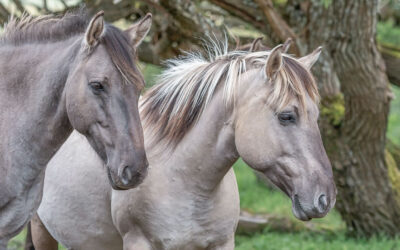
Wild and free-living horses offer vital reference points for hoof health, showing how terrain, movement, and social life shape both the foot and the horse’s welfare.
HORSE TRAINING
Think Blue Tongues may be Harmless in Elite Sport Horses? Think Again.
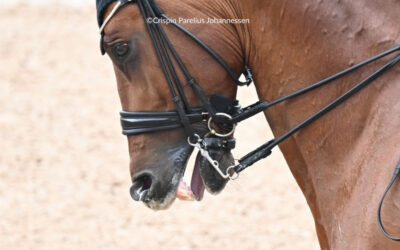
Unlike most reports quoting only veterinarians, this analysis comes from Dr James Cooling—a medical doctor, qualified bit-fitter, and rider. He explains why blue tongues in elite horses are not cosmetic, but clear evidence of pressure, pain, and compromised welfare.

The Mouth-Iron-Free Solution for Sudden Death in the Racehorse
In this final paper, the late Dr Robert Cook reviews decades of anatomical, physiological, and behavioural research showing how bits cause pain, breathing restriction, and performance loss in horses. He argues that allowing bit-free options across all disciplines would improve welfare, enhance safety, and restore public trust in equestrian sport.

Thoroughbred Horse Welfare Challenges: From Rape to Relegation
Written here as a poem, each verse is structured as a three-line haiku. The haiku is a Japanese poetic form, in this case consisting of seventeen phonic syllables in a five-seven-five pattern. Traditionally, haiku evoke images of the natural world. The author's aim:...

Horses recognise human emotions. Use that to strengthen your bond
Horses are incredibly good at recognising human emotions in your voice and expressions, but did you know how to leverage that super power to strengthen your bond?

The Road to Bridle-less Explained
At the 1998 Equitana, my husband, Dr Andrew McLean, decided he would demonstrate riding bridle-less, with a rope around the neck of the stallion Tintagel Magic. At the time, Andrew was competing Magic in dressage at Advanced and Prix St George level, and managed to...
The Coaching Sweet Spot, Part 4: The Happiness Factor
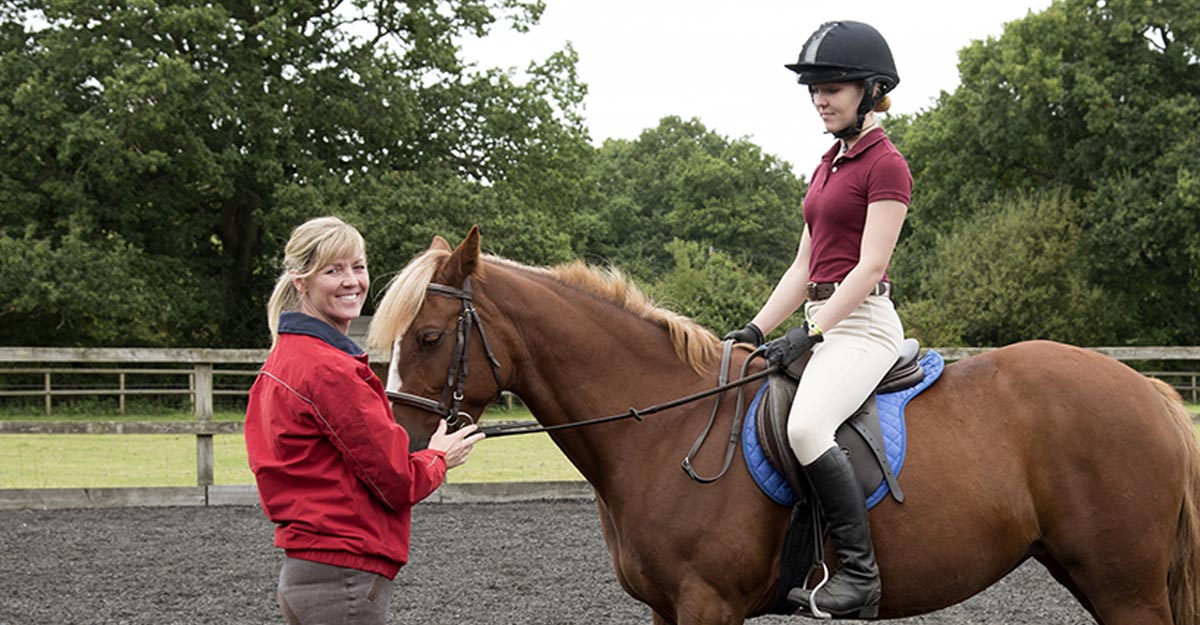
Happiness is like balance – it’s not something you can teach because it’s a result of what you’ve already taught. If you’ve ever wondered what motivates us to connect so closely with our horses, and what drives this life-long equestrian passion, you could cheerfully...
SCIENCE & RESEARCH
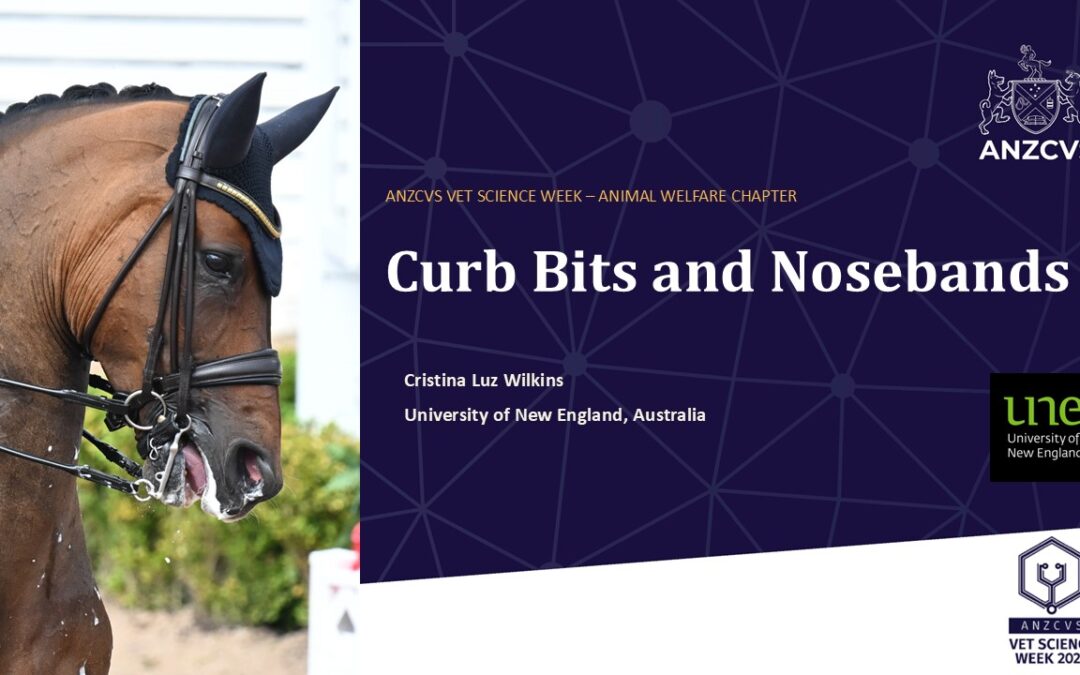
“Hiding in plain sight”: researcher tells veterinarians that bit and noseband pressures routinely exceed what equine tissues can tolerate
Every piece of equipment on a horse’s head is designed to apply pressure. Presenting to the ANZCVS Animal Welfare Chapter, Cristina Wilkins used a photographic dataset from elite competition to argue that curb bits and nosebands routinely exceed the biological limits of the tissues they act on — and block every attempt a horse makes to resolve them.
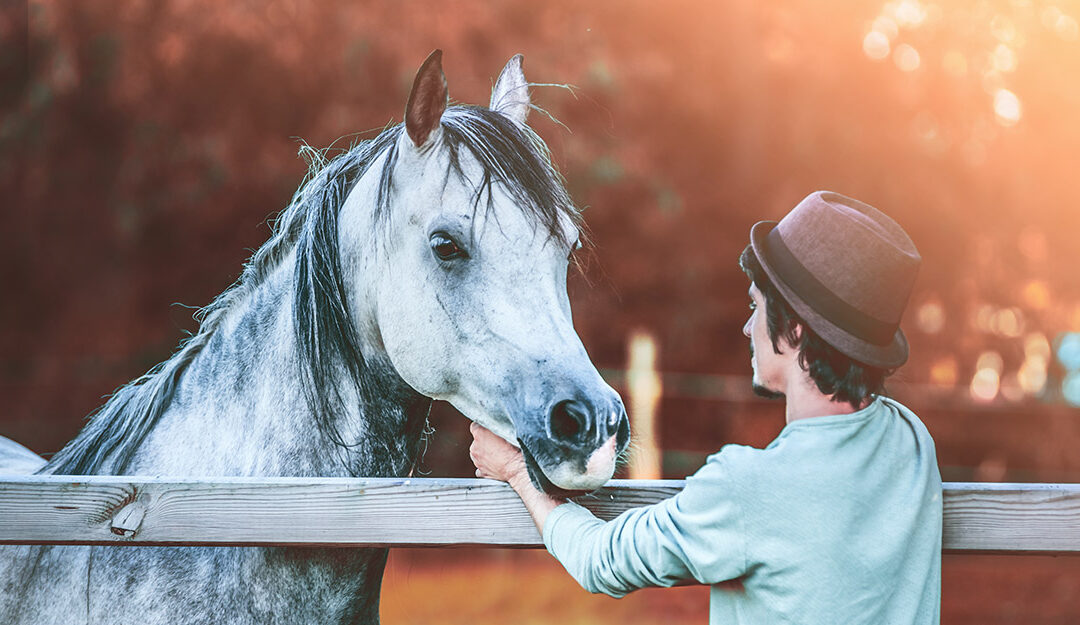
What Kind of Horse Person Are You — And What Does That Mean for Your Horse?
Ask a farrier what’s wrong with your horse and the answer starts in the feet. Ask a nutritionist and it starts in the feed bucket. It’s funny because it’s true — and it’s true because it’s biology. This article explores how your experience and expertise shape what you detect in your horse, what you miss, and why a whole-horse welfare assessment process changes everything.

Seven Pillars of Deception to Delay Action on Horse Welfare
Scenario Consider a prominent international organisation that has global leadership and regulatory roles in a well-known area of competitive activity involving animals. Participants are members of a global elite, lauded and applauded for their mastery of the...
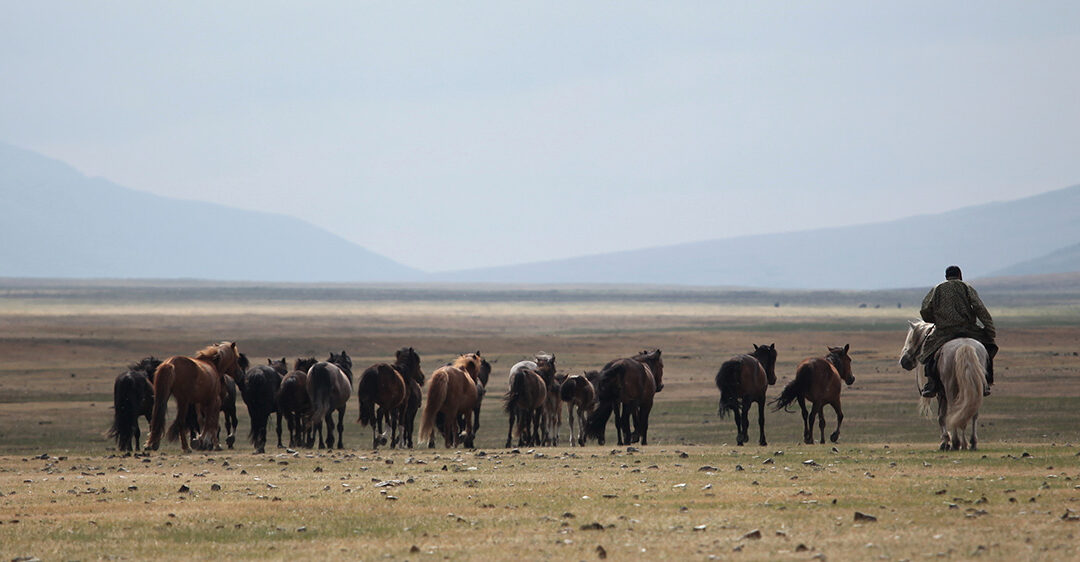
Domesticating horses had a huge impact on human society − new science rewrites where and when it first happened
Across human history, no single animal has had a deeper impact on human societies than the horse. But when and how people domesticated horses has been an ongoing scientific mystery. Half a million years ago or more, early human ancestors hunted horses with wooden...
SPONSORED CONTENT

Equine Voice: The world’s first horse behaviour and welfare app grounded entirely in peer-reviewed ethological science
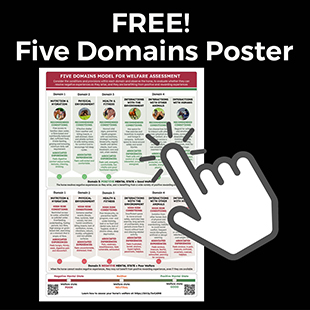
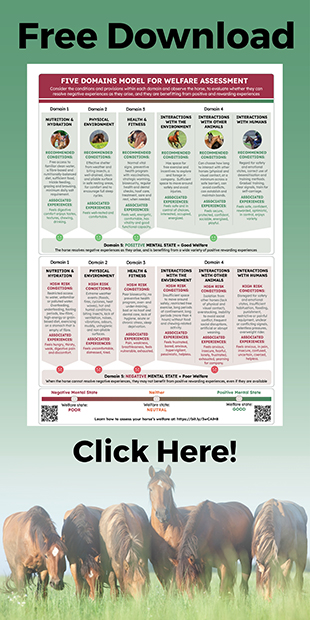
Most horse management practice still lags behind the science. Equine Voice — a new app by equine behaviourist Nicky Ross — bridges that gap, giving everyday horse owners the same observational rigour as a trained behaviourist, grounded in the Five Domains Model and the Teleonome framework.
Advance your passion: MSc Equine Science at the University of Edinburgh
The University of Edinburgh’s MSc Equine Science is a flexible, online postgraduate programme designed for graduates and professionals ready to turn their passion for horses into evidence-based expertise — from elite sport to welfare and policy.

From Chaos to Clarity: How EquiCare is Transforming Horse Management
Nicole knew she had a problem. As a professional rider and coach, she juggled the endless responsibilities of horse care—vet visits, farrier appointments, training schedules, competition prep. But no matter how many whiteboards, sticky notes, or phone reminders she...
Financing Your Travel Options For Dressage Competitions
Getting the right travel option for competitor and horses can yield dividends instead of sinking money into costs that you’ll never recoup.

How to get more out of your next horse transport purchase
We all want to save money on horse and transportation – equestrian, racing, and other horse related activities can add up to a lot! With the current international shipping delays, some horse goosenecks, trucks, and trailers may be delayed – and be quite expensive...
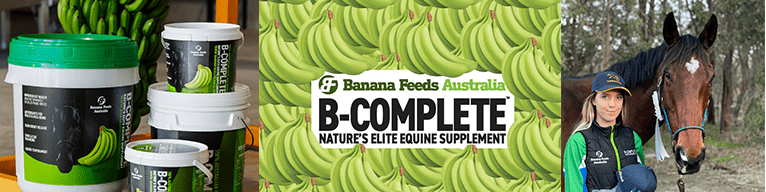
B-COMPLETE™ by Banana Feeds Australia – The Revolution in Equine Gut Health
There’s a new supplement on the market, and we think you should know about it. Green bananas are a powerhouse of nutritional and gut health value. They've been a staple diet in many human cultures and due to their very high content in dietary fibre, they have been...
HORSE SPORTS SOCIAL LICENCE
Putting the animal back together: the teleonome makes its public debut
Forty years after the world’s first Professor of Animal Welfare was appointed, why does the most visible animal suffering persist? Opening the Animal Welfare Chapter at ANZCVS Science Week on the Gold Coast, Cristina Wilkins argued it isn’t a knowledge gap — and presented the teleonome, and the six As that operationalise it, for the first time to a live audience
The Price of the Podium: How Commercial Incentives Shape Horse Welfare in Elite Sport
When commercial success drives equestrian sport, welfare science reveals how breeding decisions, training systems, and competition incentives shape the horse’s lived experience across nutrition, environment, health, behaviour, and mental state.
From Telos to Teleonome: A New Way to Understand Horse Welfare
You’ve seen it. The horse pacing the fence line, wearing a track in the ground. The one who calls out, again and again, when stabled alone. We call these problems. But most of us have a quieter sense that something else is going on. That quieter sense is correct — and now there’s a word for what it’s pointing at.

When welfare becomes culture: patching the leaky bucket in horse sport
Why do welfare problems persist in horse sport despite growing knowledge and regulation? Drawing on a webinar by Lisa Ashton, this article argues that welfare fails when culture fails — and explores how mental security, reciprocity, and whole-systems thinking can help patch the leaky bucket.
From Principles to Practice: How Riding Schools are Reshaping Welfare Culture
Across the UK, riding schools are rethinking welfare from the horse’s perspective. The Riding School Futures Project shows how integrating the Five Domains Model, equitation science, and staff education is reshaping everyday practice — not through rules, but through cultural change.

A Reply to Response to Comments on ‘Noseband type and tightness level affect pressure on the horse’s face at trot’
This letter, declined by the Equine Veterinary Journal, responds to MacKechnie-Guire et al.’s defence of their noseband pressure study. It clarifies key methodological and interpretive issues that remain unresolved and highlights why transparent discussion is vital to the integrity of equine welfare science.
HUMAN MINDSET

Making Success a Habit
When you talk to yourself (in your own mind), do you tell yourself that you are heading for success? Or do you tell yourself that you are failing? Our thought patterns create a large part of our reality because we act on our thoughts. They can also become habits. I...
It’s the thought that matters
How much of your life and riding is influenced by your thoughts? The answer is much more than you think! I have undergone some major changes in my personal life and, naturally, when big things happen to us, our mind goes into overdrive. As the changes unfolded, I...
HORSES AND PEOPLE IN ART

When Dogs Meet Horses in Art
As we see above, in de Vos and Wildens’ dramatic ‘Horse attacked by dogs’, dog and horse contact can end in disaster with both reverting to their raw primal selves and the humans ending in a heap. Each day, different versions of the above scenario occur thousands of...

The Gift Horse in Past and Present
The gifting of horses is an ancient practice in many cultures that continues today. Historically, offering a horse is a sign of respect or allegiance and is done to seal relationships whether they be public, political, and personal. It has been a way of bonding...
PROPERTY MANAGEMENT
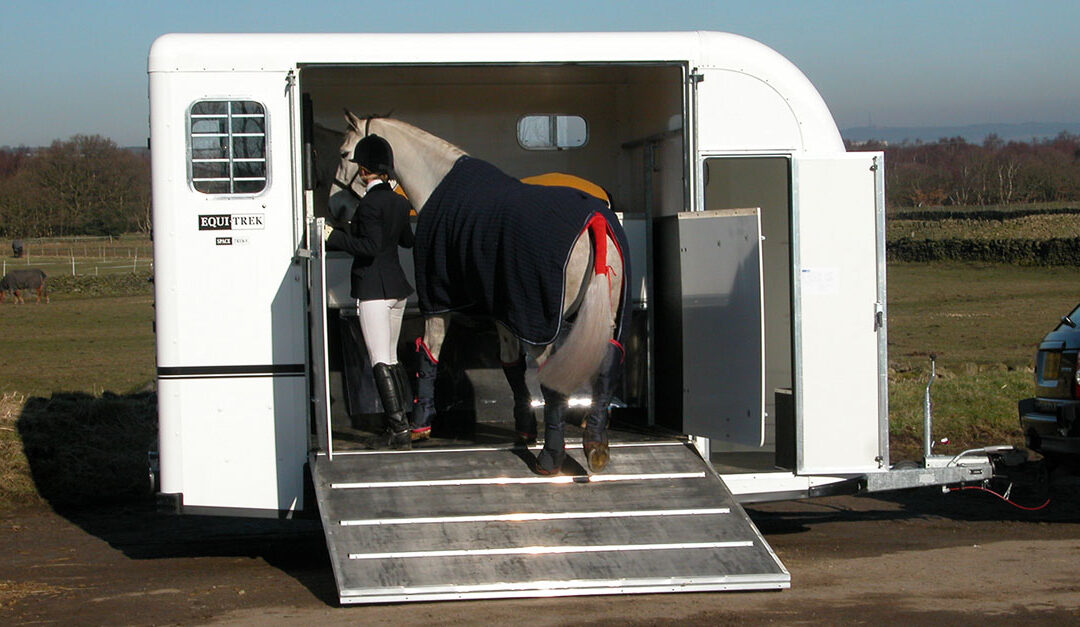
Balanced Horse Transport for Safer, Less Stressful Journeys
Balanced transport and loading horses so they travel facing the rear respects the horses’ needs for security behind, and can help reduce stress. In this article, Dr Sharon Cregier, twice awarded the International Animal Transportation Association (ATA) animal welfare...

Willinga Park Bushfire: Planning and Preparation Paid Off
A decade of considered bushfire planning and horse property maintenance helped save an entire town. Willinga Park effectively blocked the advance of the massive Currowan Fire towards the coastal town of Bawley Point during Australia’s catastrophic 2019-2020 fire...
NEWS

From Principles to Practice: How Riding Schools are Reshaping Welfare Culture
Across the UK, riding schools are rethinking welfare from the horse’s perspective. The Riding School Futures Project shows how integrating the Five Domains Model, equitation science, and staff education is reshaping everyday practice — not through rules, but through cultural change.

Foam, Fear, and False Signals: Why the FEI’s New Ban on Artificial Saliva Matters
This week, the International Federation for Equestrian Sports (FEI) announced an emergency ban on artificial foam-producing substances used in horses’ mouths. The new veterinary rule, effective July 1, 2025, prohibits all products that artificially induce or imitate...